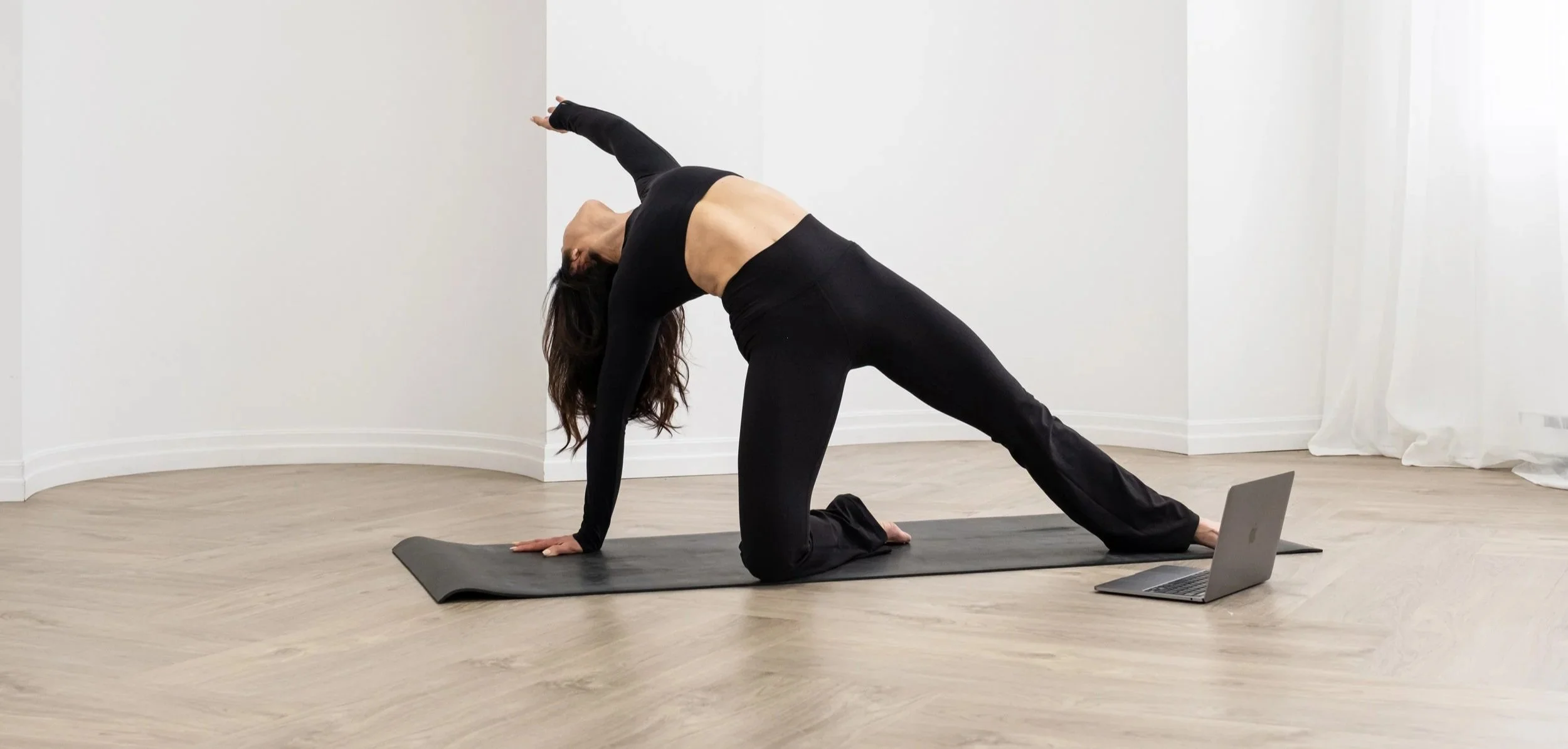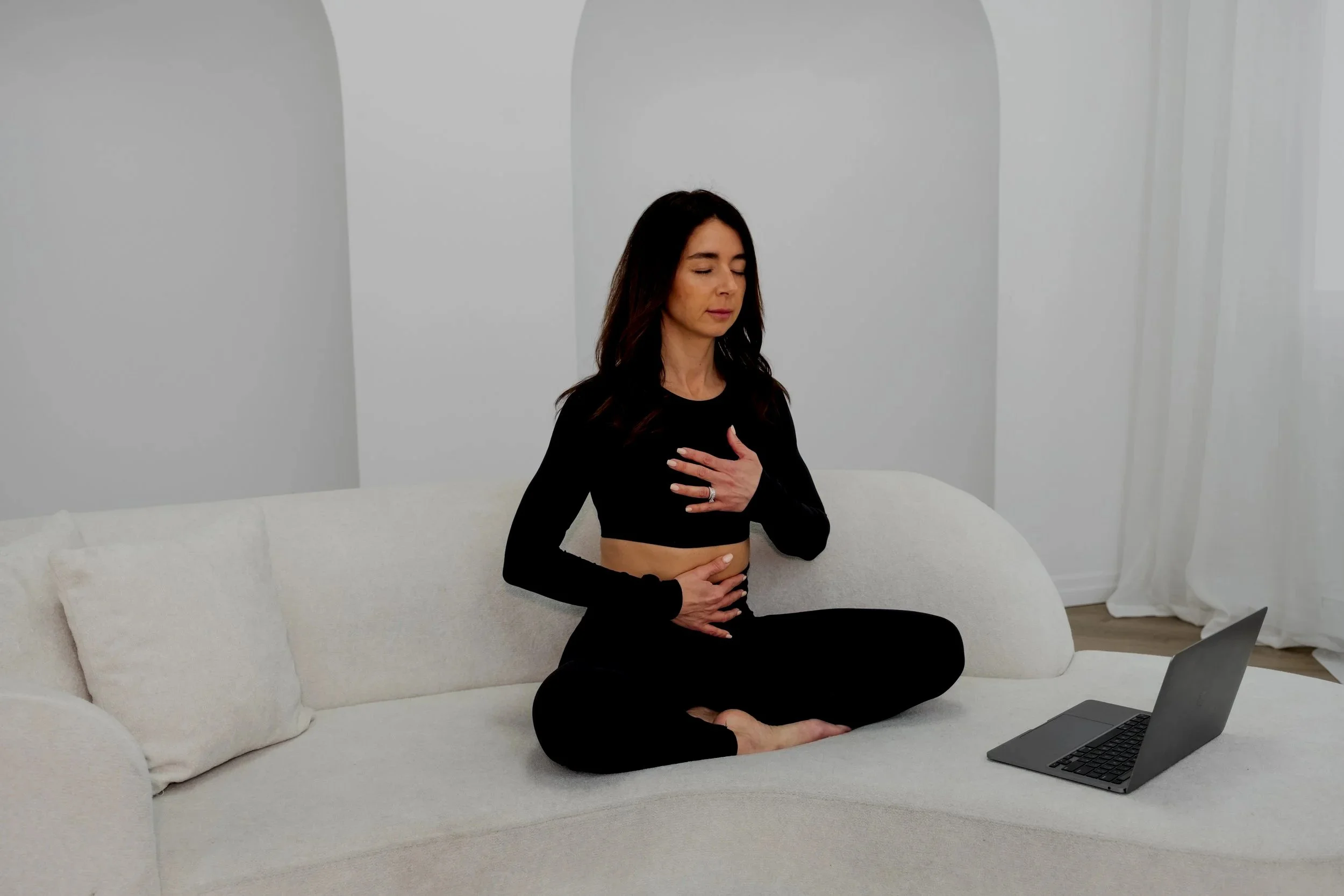
A modern, neuroscience-informed guide to breathwork — what it is, why it works, and how it can transform your wellbeing.
Breathwork is the intentional practice of CONSCIOUSLY controlling your breathing to influence your mental, emotional, and physical state. While breathing is UNCONSCIOUSLY automatic, the way we breathe is deeply connected to our nervous system — meaning we can use breath as a tool to shift how we feel.
From slow, grounding breaths that calm the mind to energizing techniques that awaken focus, breathwork is one of the most accessible wellbeing tools available today.
The science behind breathwork?
Modern neuroscience confirms what ancient traditions have taught for thousands of years: our breath is a direct pathway to regulating the nervous system.
Here’s what happens in the body:
-
Slow, controlled exhalations activate the parasympathetic nervous system — the part responsible for relaxation, digestion, renewal and recovery.
-
Breathwork stimulates the vagus nerve activating the mammalian brain to regulate emotional processing, reduce anxiety and improve mood.
-
Oxygen flow increases to all aspects of the brain in particular, the prefrontal cortex — the center of decision-making, focus, and creativity.
-
Regular breathwork practices can lower cortisol levels, reduce inflammation, and improve heart-rate variability (HRV), a key indicator of resilience.
Breathwork is essentially nervous system training — and with consistent practice, it becomes one of the most powerful tools for modern stress MANAGEMENT.
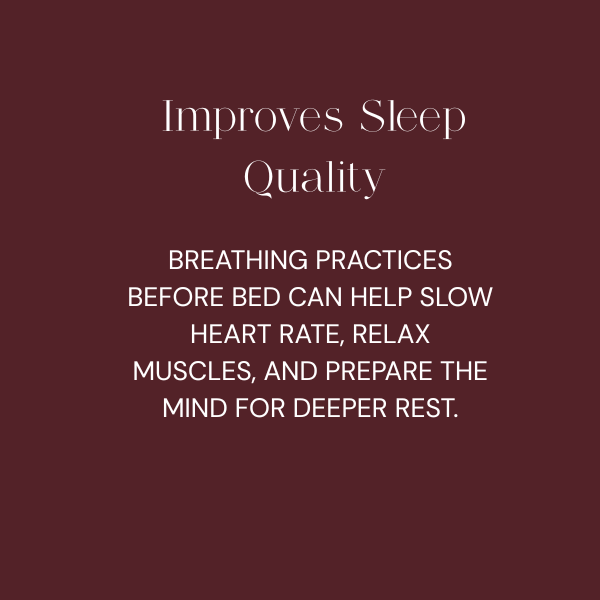
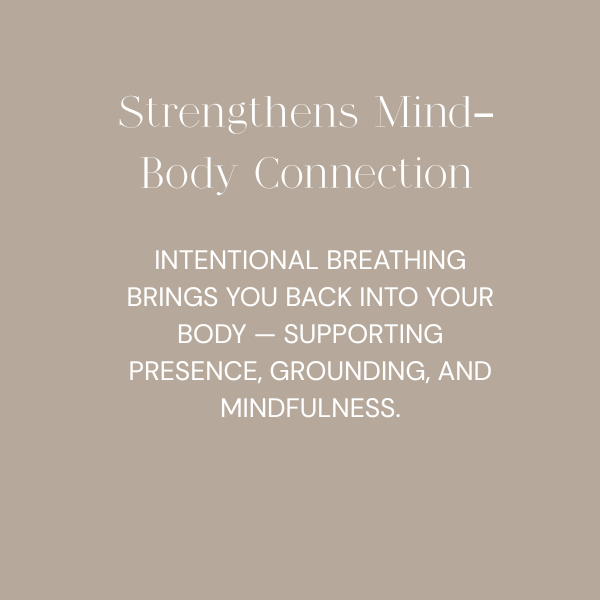
Benefits of breathwork
types of breathwork
1. Diaphragmatic Breathing
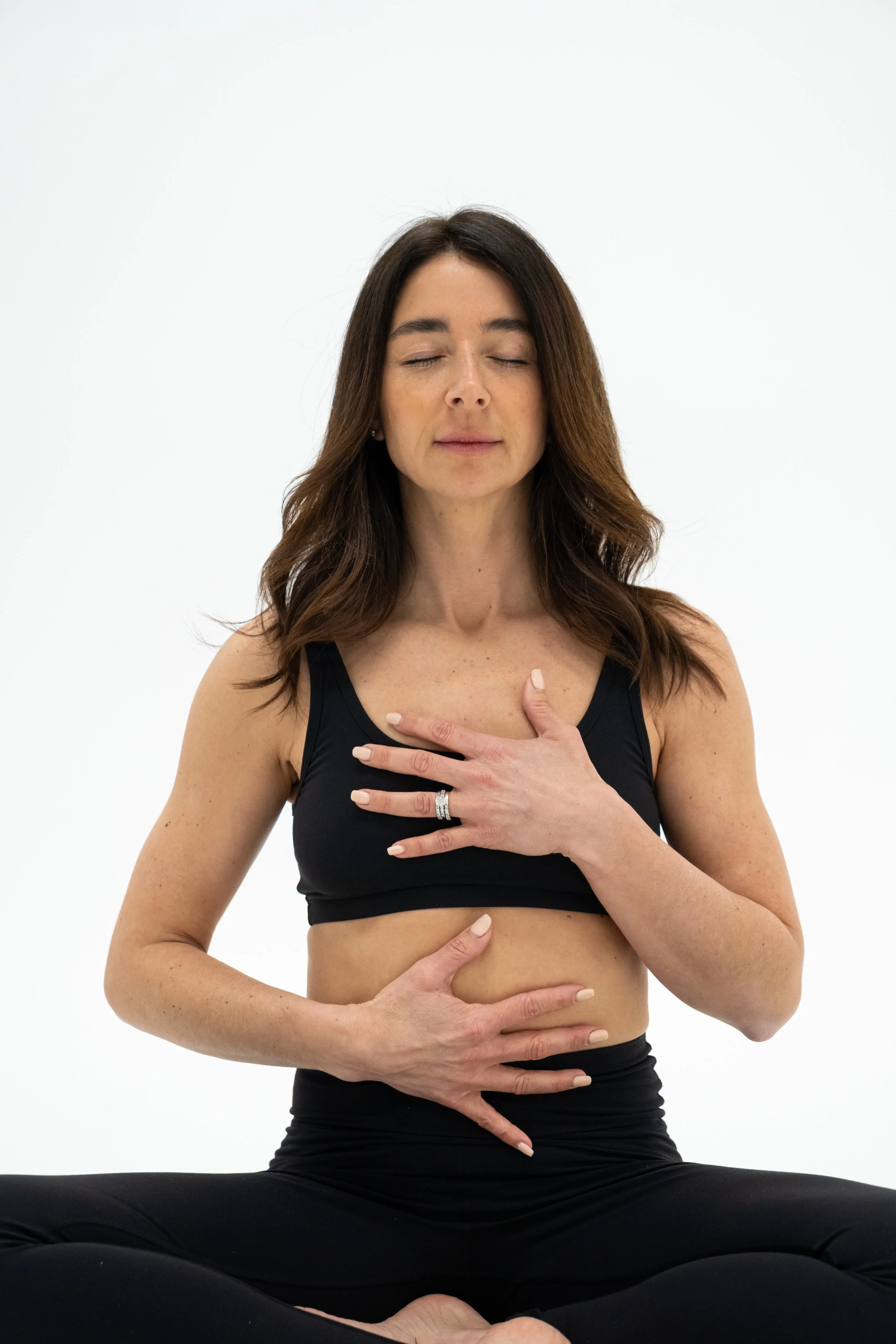
A foundational technique that encourages deeper, fuller ABDOMINAL breaths.
2. BoxED Breathing
A 4-PART pattern used by athletes, performers, and even military professionals to stay calm under pressure.
3. Extended Exhale Breathing
A grounding technique where the exhale is longer than the inhale, ideal for stress or emotional overwhelm.
4. Coherent Breathing
Breathing at a steady rhythm (around 5–6 breaths per minute) to balance the nervous system.
5. Energizing Breathwork
Includes quicker inhale-focused techniques to boost alertness and awaken your energy.
when to use breathwork
Morning – to energize and set intention
Before stressful moments – meetings, conversations, transitions
Midday reset – when your mind feels scattered
After work – to decompress
Before bed – to calm the nervous system
During emotional moments – to ground and self-regulate
Breathwork becomes even more powerful when woven into daily rituals — 2 minutes here, 5 minutes there — until it naturally becomes part of your toolkit.
Breathwork at Practice BY ERICA
In our digital studio, breathwork is integrated intentionally across:
Short 3–5 minute resets
Longer guided sessions for emotional regulation
Paired movement + breath practices
Soundbaths incorporating breath and sensory grounding
Themed series for stress, clarity, sleep, and resilience
We created these sessions to be simple, approachable, and effective — especially for busy professionals, parents, and teams seeking sustainable wellbeing.
-
Yes. All practices can be done at your own pace, and you can stop anytime if something feels uncomfortable.
-
Even 2–5 minutes can shift your nervous system. Longer sessions deepen the effects.
-
Breathwork and meditation complement each other. Breathwork helps prepare the mind for stillness.
-
Absolutely. Many members use short breath practices multiple times a day.