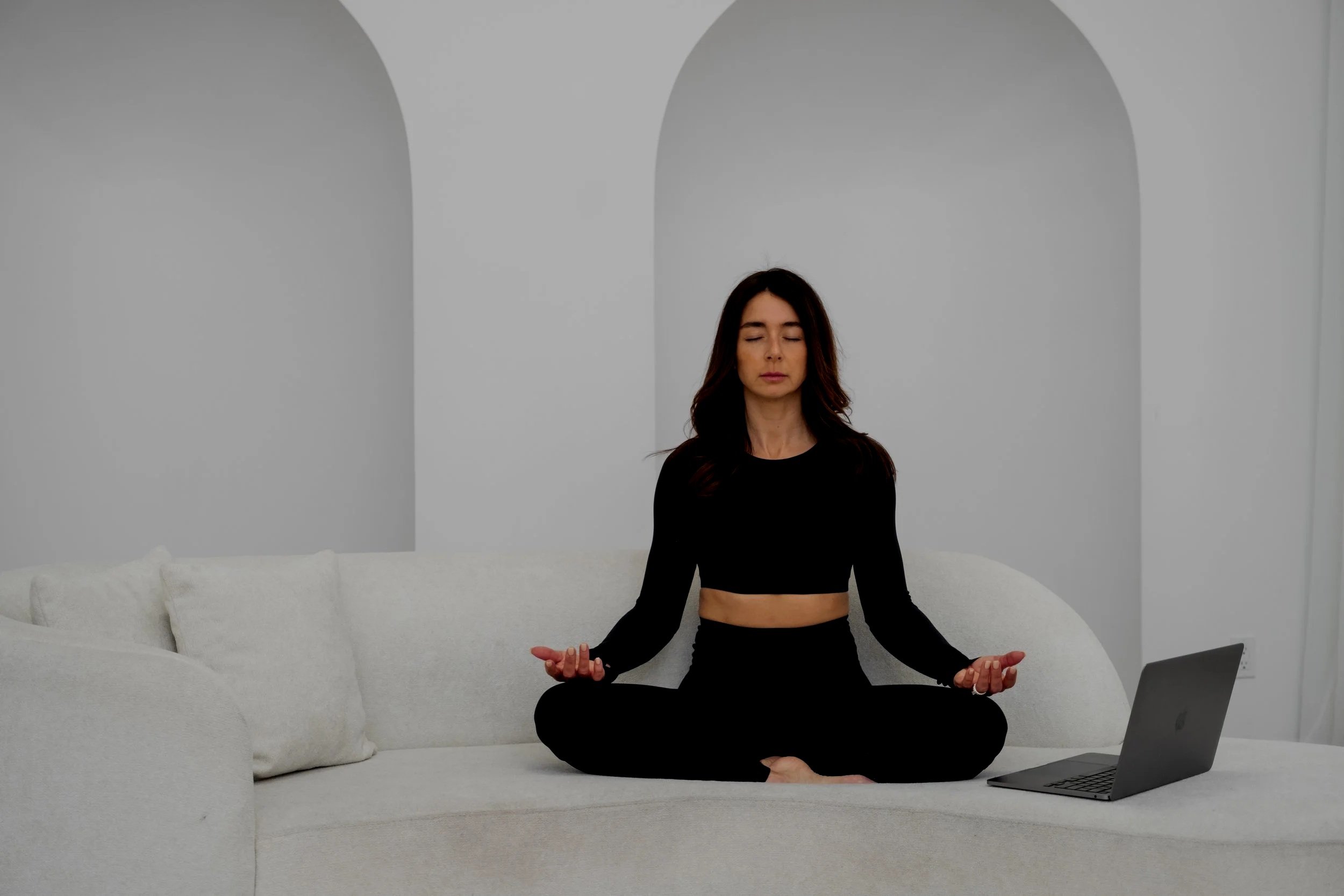
A practical guide to meditation — what it is, why it matters, and how daily stillness can transform your emotional and mental wellbeing.
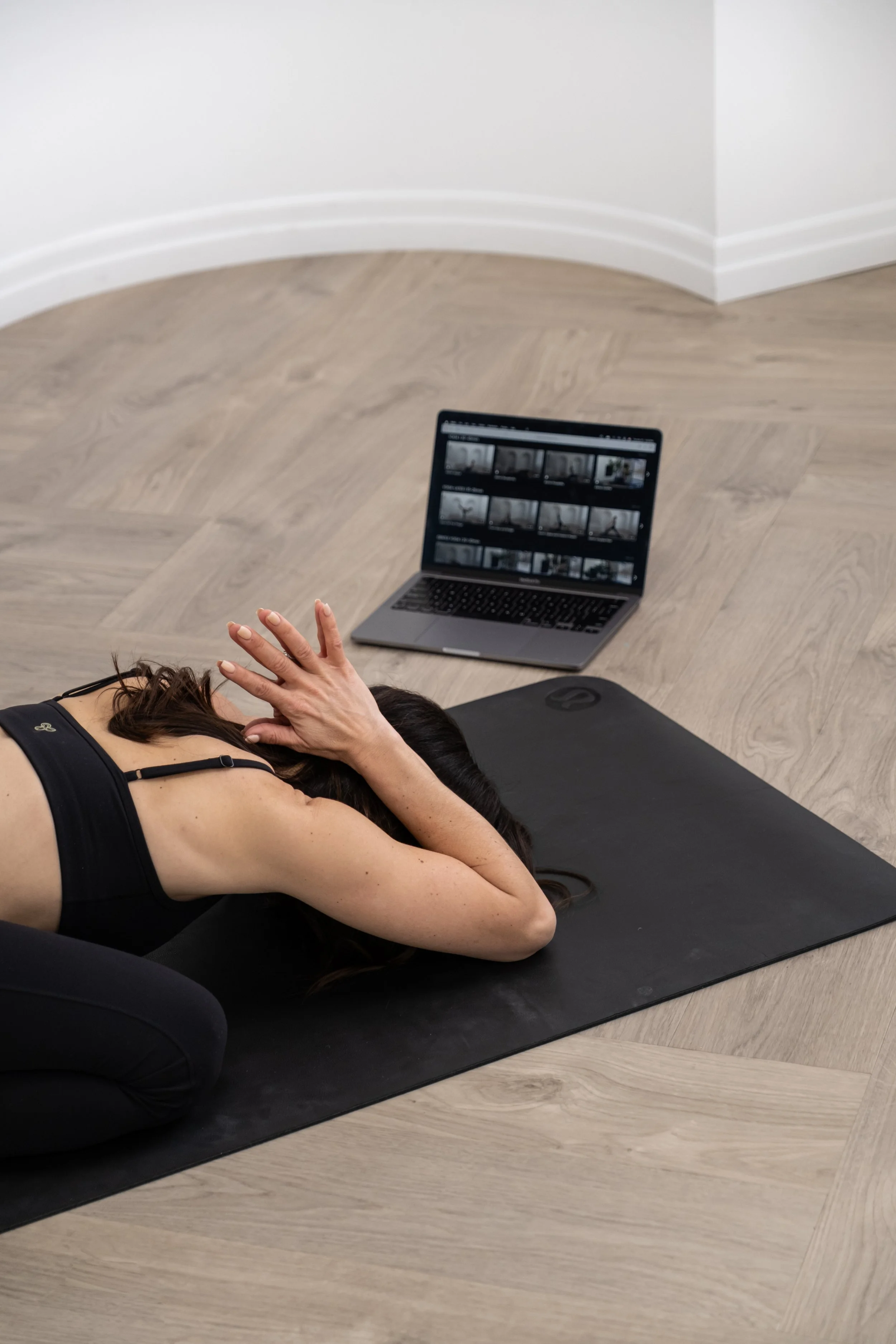
what is meditation?
Meditation is the practice of gently training your attention — shifting from autopilot thinking into conscious presence. It doesn’t require stopping your thoughts; instead, it’s an invitation to observe them with calm awareness.
Modern meditation is simply about learning to be with what is — your breath, sensations, emotions — without judgment. This practice rewires your brain over time, building clarity, emotional balance, and a deeper connection to yourself.
the science behind meditation
Meditation is one of the most researched wellbeing tools today, with strong evidence supporting its impact on mental and emotional health.
-
Meditation decreases activity in the amygdala — the brain’s threat center — helping reduce reactivity and worry.
-
This is the area responsible for decision-making, emotional regulation, and focus. Meditation helps improve cognitive performance and resilience.
-
Meditation reduces stress hormones as the neurons of the brain deactivate, supporting more stable energy levels.
-
Regular meditation rewires neural pathways, helping you create change with more clarity and less unconscious reactivity.
-
A strong nervous system supports mood, sleep, recovery, and emotional wellbeing.
Meditation may feel like “doing nothing,” but inside your brain, powerful regulation is happening.

Benefits of meditation
types of meditation
1. Mindfulness Meditation
Observing the breath, body, or thoughts as they arise, without trying to change them.
2. Guided Meditation
A teacher leads you through cues for relaxation, visualization, or focus — ideal for beginners.
3. Body Scan
A methodical awareness of the physical body, promoting presence and surrender.
4. Loving-Kindness
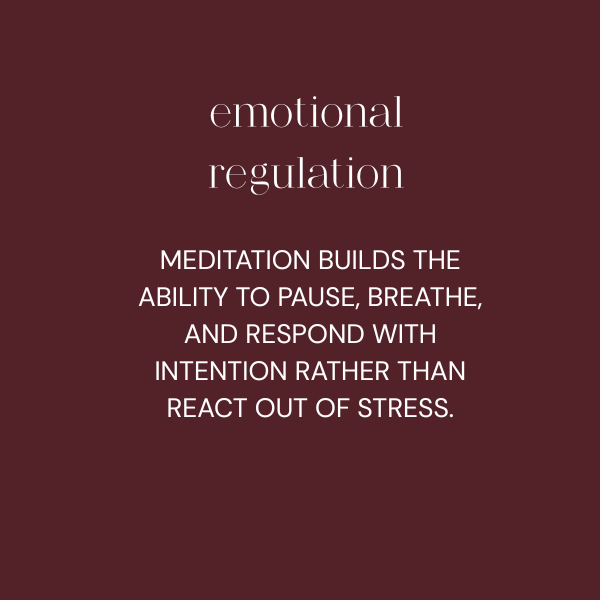
Cultivates compassion, self-kindness, and emotional regulation.
5. Visualization Meditation
Uses imagery, intention, or symbolic guidance to support change and potentiality.
6. Breath-Linked Meditation
Combines meditation with breath awareness for grounding and nervous system support.
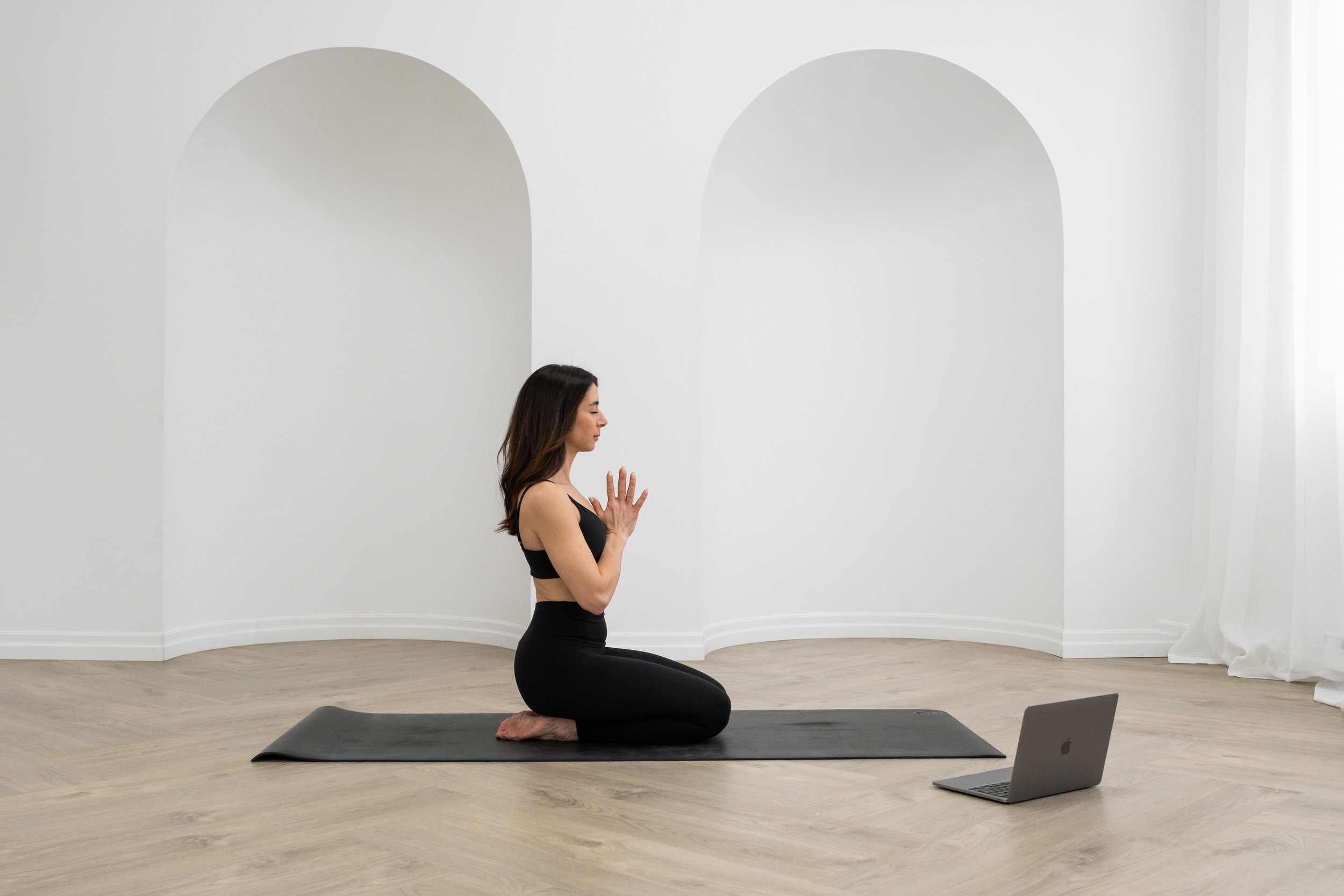
when to practice meditation:
Morning – to set your emotional tone for the day
Midday – to reset focus and clear mental fog
Before stressful moments
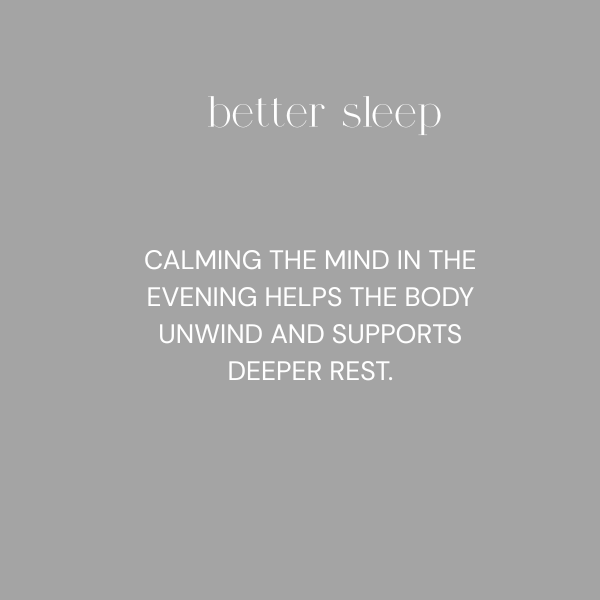
Evenings – to transition out of “doing” and into rest
During emotionalITY or overwhelm
Anytime you NEED clarity or steadiness
Meditation becomes even more powerful when practiced regularly, even IN as little as 5 minutes. A consistent short practice is more optimal than a sporadic long practice.
meditation at practice by erica
Our digital studio offers meditation practices designed TO MITIGATE ANYTHING YOU ARE MANAGING — simple, GROUNDING, and accessible for everyone.
You’ll find:
Short 10 minute resets
Longer guided meditations to support emotional REGULATION
Sleep meditations
Visualizations for clarity and intention-setting, CO-CREATING CHANGE
Grounding practices for stress
Meditations woven into yoga and sound experiences
-
Yes. Meditation means to “form relationship with”. It is completely natural to think - your brain is designed to. Meditation is about forming relationship to your patterning, how your thoughts create your reality and empowering yourself that you can create a change.
-
There is no optimal duration. Even 3–5 minutes can shift your nervous system. Consistency matters more than duration.
-
Not necessary. Sit in a chair, lie down, or find any position that feels supportive.
-
Yes, but if you experience trauma symptoms or intense anxiety, shorter guided sessions are ideal as you ease in.
-
Absolutely — gentle guidance can benefit all ages.