A guide to the science and practice of sleep — how intention, breath, and meditation help your body repair, reset, and return to balance.
what is “sleep practice”?
Sleep practice is a guided form of meditation designed to help the body transition from wakefulness into deep SLEEP. Instead of “trying to fall asleep,” our approach gently guides the nervous system into safety, quiet, and ease — creating the optimal conditions for restorative sleep.
At Practice By Erica, sleep practices blend intention-setting, subtle breathwork, affirmations, and somatic BODY awareness to support a smooth shift into the slower brainwave states that allow the SYSTEMS TO MOVE INTO REST< DIGEST AND REPAIR.
This is sleep that’s supported, not forced.
why sleep matters
Healthy sleep is not optional — it is the foundation of CELLULAR RENEWAL AND repair.
-
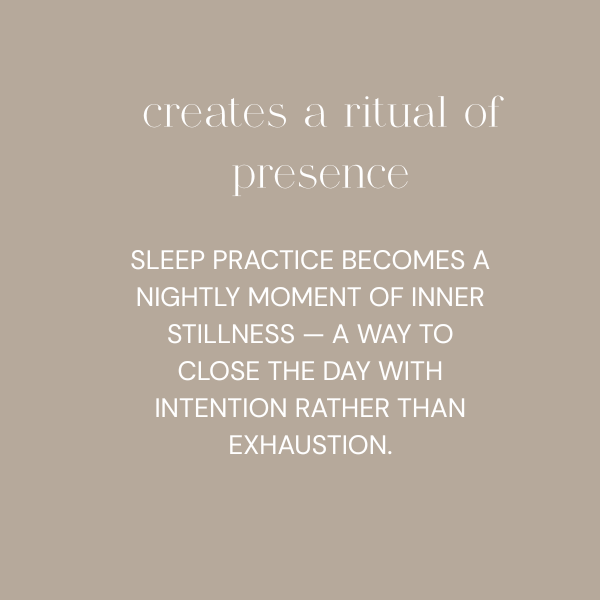
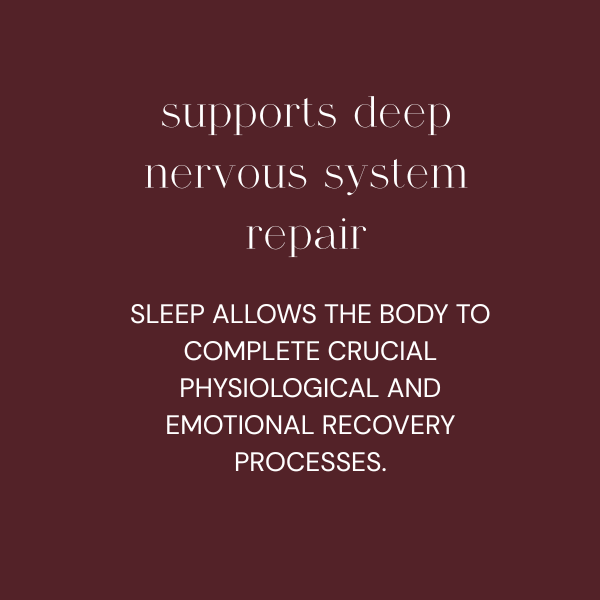
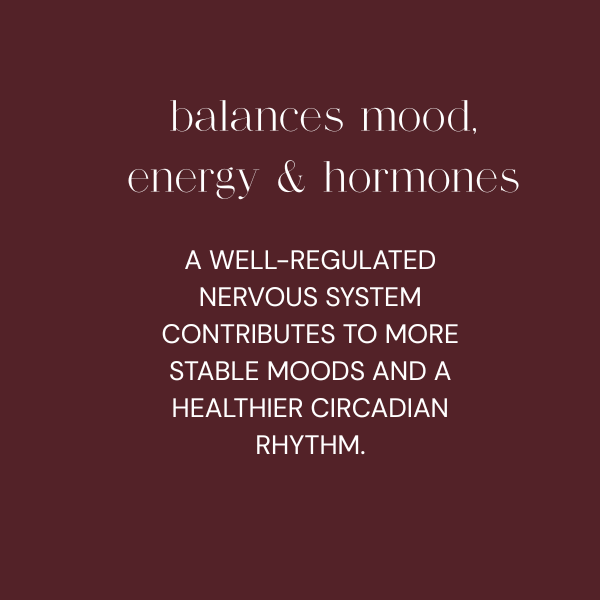
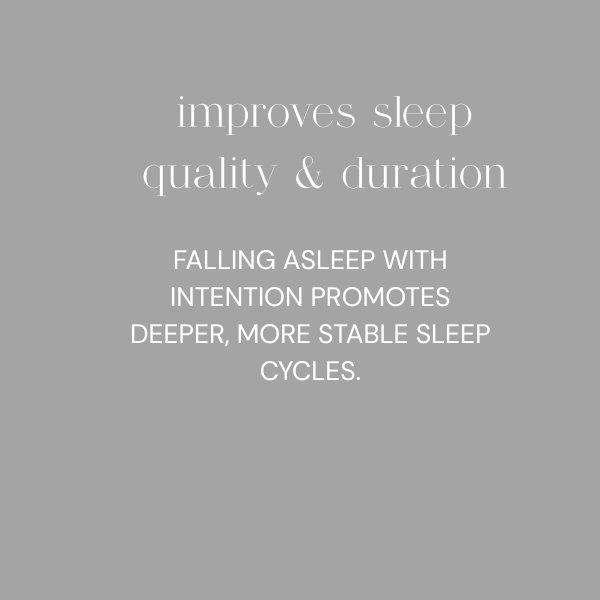
During deep sleep, the parasympathetic system becomes active. This is when the body repairs tissues, balances hormones, integrates emotions, and restores energy reserves.
Without this phase of sleep, the stress cycle remains incomplete. -
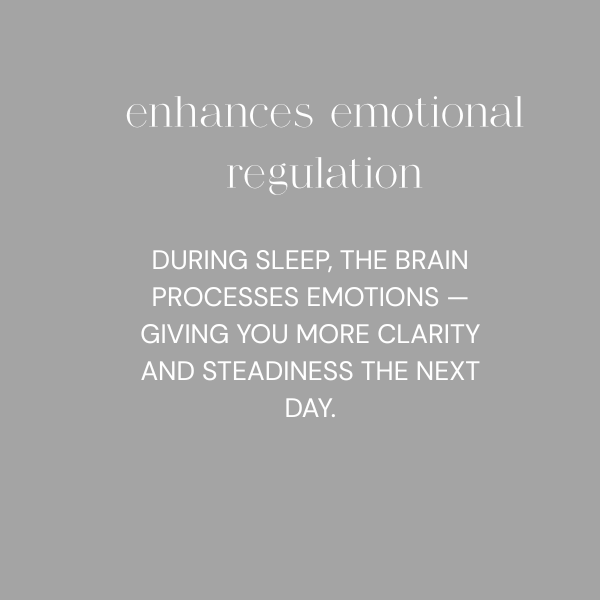
As we fall asleep, the brain transitions from beta waves (thinking, analyzing) into slower frequencies like theta (dreaming and subconscious re-programming) and eventually delta (unconscious rest, digest and repair) When we consciously guide our thoughts before sleep, we help the brain shift more easily into these restorative states.
-
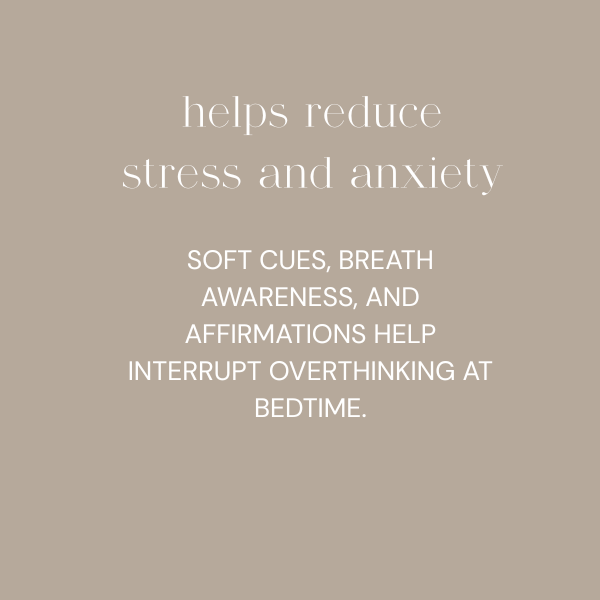
Guided sleep meditations create the ideal conditions for this transition by:
• Slowing the breath
• Releasing tension
• Calming the mind
• Encouraging safety cues to the nervous system
• Setting supportive thought patterns
• Anchoring attention into the bodyThis is how sleep becomes not just rest — but restoration.
Benefits of a sleep practice
what our sleep practices include
At Practice By Erica, sleep isn’t passive — it is ACTIVELY guided with care.
Each session may include:
• Intention Setting
A gentle commitment to presence, slowing down, and letting go.
This helps shift the mind away from problem-solving and into INTENTIONAL receptivity.
• Subtle Breathwork
Slow, soft breathing patterns that ease the body into PARASYMPATHETIC ACTIVATION.
• Reciting Affirmations
Kind, grounding phrases that influence emotional tone and REPROGRAM SUBCONSCIOUS PROGRAMMING.
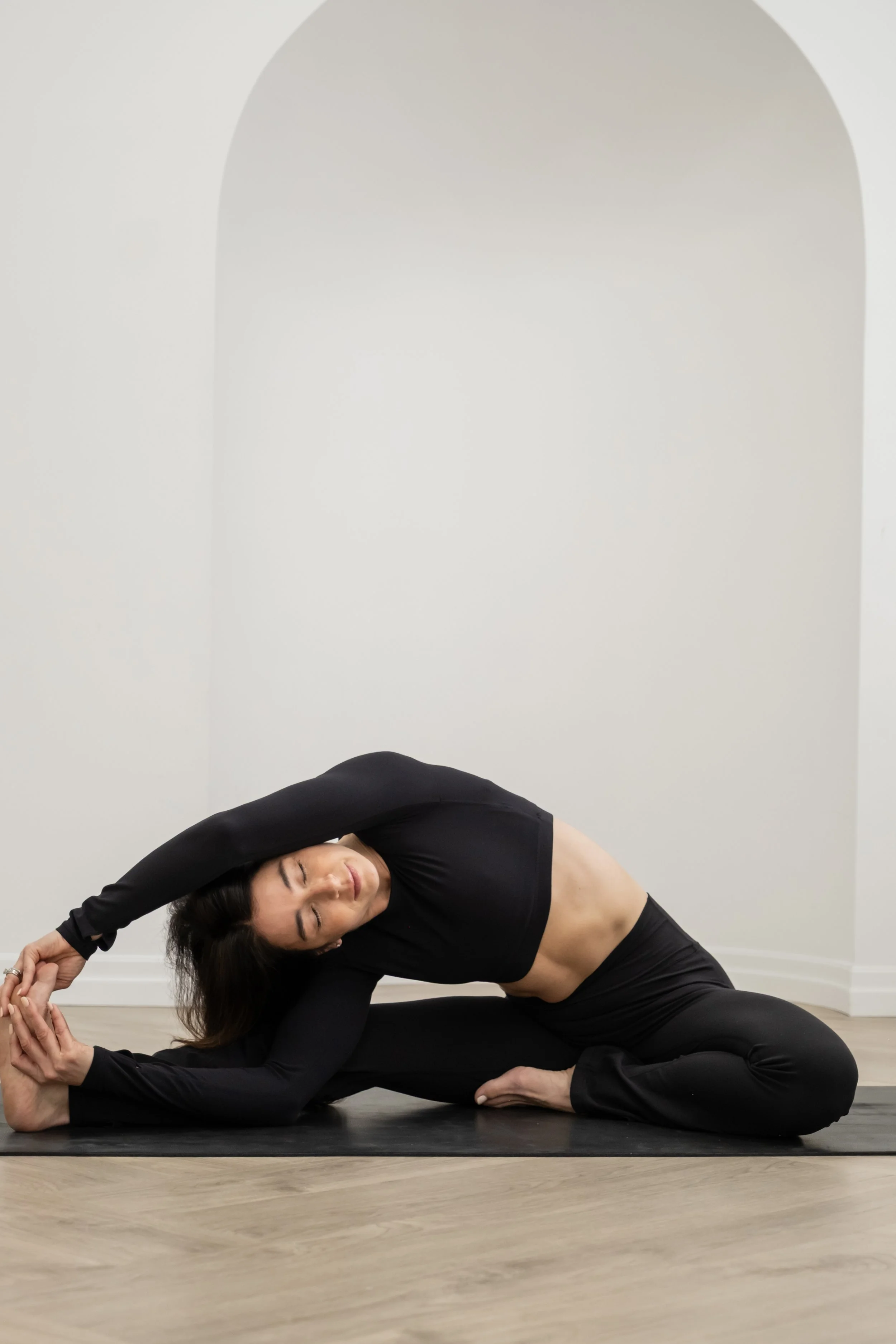
• Full-Body Sensation Awareness
A somatic scan that attunes your awareness to the FELT SENSATION OF THE body — helping release tension and welcomING silence.
Together, these elements support the mind and body in moving into deep ease.
when to use sleep meditations:
right before bed – to unwind and transition
After a stressful day — to settle emotional residue
During seasons of overwhelm or high responsibility
When you struggle with racing thoughts at night
As a nightly ritual for restoration and safety
Anytime you want to fall asleep READILY with ease
Sleep practices are effective even if you fall asleep within minutes — your nervous system still receives the benefits.
-
Perfect. The practice is doing exactly what it’s meant to do.
-
They are supportive tools, not replacements. They help regulate the nervous system alongside other care.
-
Not required, but headphones can deepen the sensory experience.
-
Absolutely — no experience needed.
-
Yes. Many members replay short practices when they wake during the night.